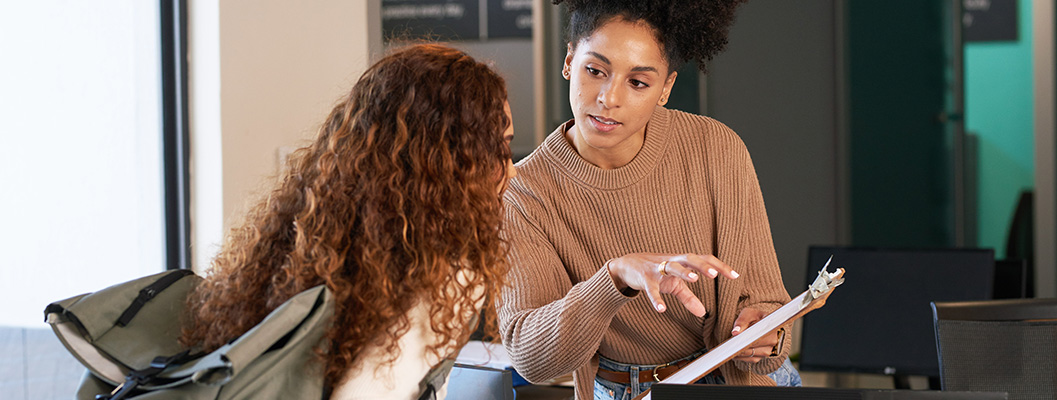
The campus visit remains the most influential factor in a student’s decision-making process. It provides the essential “vibe check” that no digital interface can fully replicate. However, relying solely on a physical walking tour often results in a missed opportunity to capture nuanced data and provide the specific, granular information that modern prospective students require to validate their interest.
By implementing a hybrid visit model, institutions can bridge the gap between the emotional experience of being on campus and the analytical need for personalized, on-demand information.
Addressing the Information Gap in Traditional Tours
While a guided tour offers a valuable overview of the campus, it is fundamentally limited by time and the general interests of the group. Often, a student leaves a visit without having explored the specific academic facilities or student organizations most relevant to them.
From an institutional perspective, the traditional visit often functions as a data “black box.” Beyond the initial check-in, admissions offices rarely have visibility into which aspects of the campus most resonated with a specific visitor. Transitioning to a hybrid model transforms the visit into a two-way exchange, allowing institutions to identify high-intent signals that can inform more effective follow-up strategies.
Strategic Integration of Digital Tools
Enhancing the campus visit involves augmenting the physical journey with intentional digital touchpoints that provide depth without distracting from the environment.
1. Pre-Visit Interest Profiling
Effective personalization begins before the student arrives on campus. Providing visitors with access to a tool like CustomViewbook prior to their tour allows them to self-select their academic and extracurricular priorities.
- Strategic Value: This data enables admissions teams to provide tour guides with high-level insights into the interests of their specific group. If a significant portion of a tour group indicates an interest in undergraduate research, the guide can adjust the narrative to highlight relevant laboratory spaces and faculty mentorship programs.
2. Contextual Content Through On-Site Interactivity
Strategic placement of QR codes at key campus locations provides a self-service layer for students who wish to explore topics in greater detail. A student standing in a residence hall showroom can scan a code to view 360-degree layouts of different floor plans, or a visitor at the athletic complex can access a schedule of upcoming club sports.
- Strategic Value: This approach caters to the “stealth explorer”—the student who may be less inclined to ask questions in a group setting but is highly motivated to consume relevant content independently.
3. The Digital Transition: Replacing Static Collateral
The traditional practice of providing every visitor with an identical folder of printed materials is often inefficient and rarely aligns with a student’s specific needs. A personalized digital “takeaway” offers a more sustainable and impactful alternative.
- Strategic Value: Following the visit, students can be provided with a unique link to a personalized digital experience that reflects the interests they expressed during their time on campus. This ensures that their post-visit review is focused on the programs and services that will actually drive their enrollment decision.
Leveraging Engagement Data to Measure Intent
The primary advantage of the hybrid model is the ability to quantify “Visit Intent.” By integrating these digital interactions with a CRM—such as Slate or Salesforce—admissions counselors can monitor post-visit engagement levels.
For instance, if a student spends significant time reviewing financial aid resources or specific faculty profiles in their digital viewbook within 48 hours of their visit, it indicates a transition from general interest to serious consideration. These behavioral insights allow for highly targeted outreach that addresses a student’s actual questions rather than relying on generic “thank you” communications.
Cultivating a “One-Size-Fits-Me” Experience
A successful campus visit should leave a student feeling that the institution understands their individual goals. By integrating digital personalization into the physical tour, admissions offices can provide a more comprehensive experience while simultaneously gathering the intelligence necessary to convert high-interest visitors into enrolled students.
Modernize Your Visitor Experience Discover how CustomViewbook facilitates a seamless transition to digital engagement, providing the data your team needs to drive yield.